
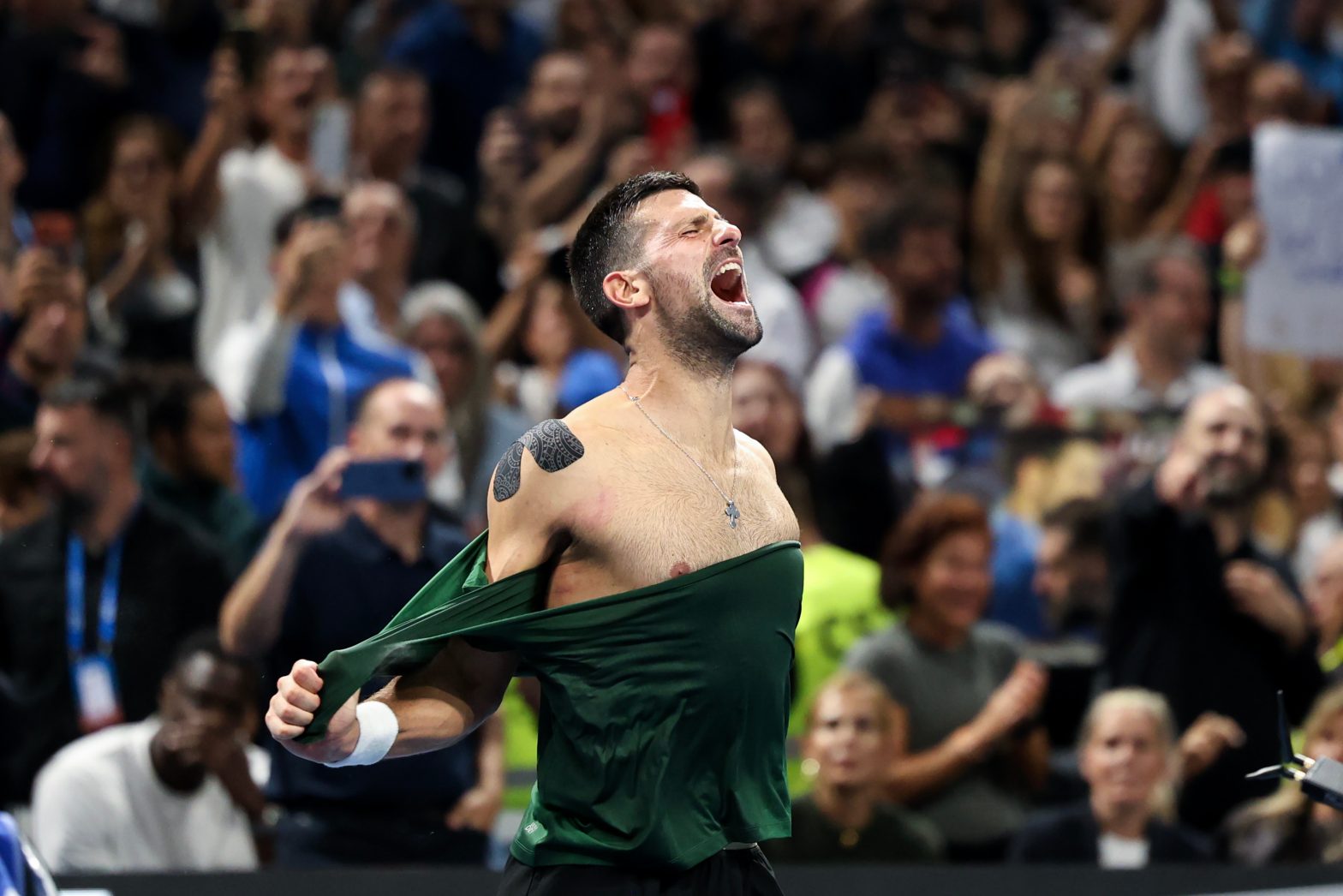
In a dramatic turn of events late in the 2025 tennis season, Novak Djokovic captured his 101st career ATP Tour title at the newly-launched Hellenic Championship in Athens, defeating Lorenzo Musetti 4–6, 6–3, 7–5 in a razor-thin final that lasted three grueling hours.
What made the moment even more poignant: just days later Djokovic announced his withdrawal from the season-ending ATP Finals in Turin, citing a persistent shoulder injury that would prevent him from competing against the world’s top eight for the title.
The Athens win was significant for multiple reasons. At 38 years old, Djokovic not only notched a milestone 101st trophy, but set a new record for the most hard-court titles in the Open Era (72) in the process. Despite failing to reach a Grand Slam final this year — breaking a long streak of such appearances — he maintained elite status by reaching the semis of all four majors and finishing the season strongly.
However, the withdrawal from Turin raises questions about his longevity and strategy going forward. While he remains determined — stating he has no intention of retiring soon, citing inspirations like LeBron James and Cristiano Ronaldo for their extended careers.
For fans and analysts alike, the key narrative is clear: Djokovic is still a force, but the physical demands of the tour are catching up. The Athens victory underscores that he can still raise his game when needed. Yet his absence in Turin leaves a major title unclaimed and opens the door for younger players to step into the spotlight. As we look ahead to 2026, the question isn’t just whether Djokovic can reach 25 Grand Slams, but how he will manage his schedule, body and expectations in a sport that’s evolving rapidly around him.