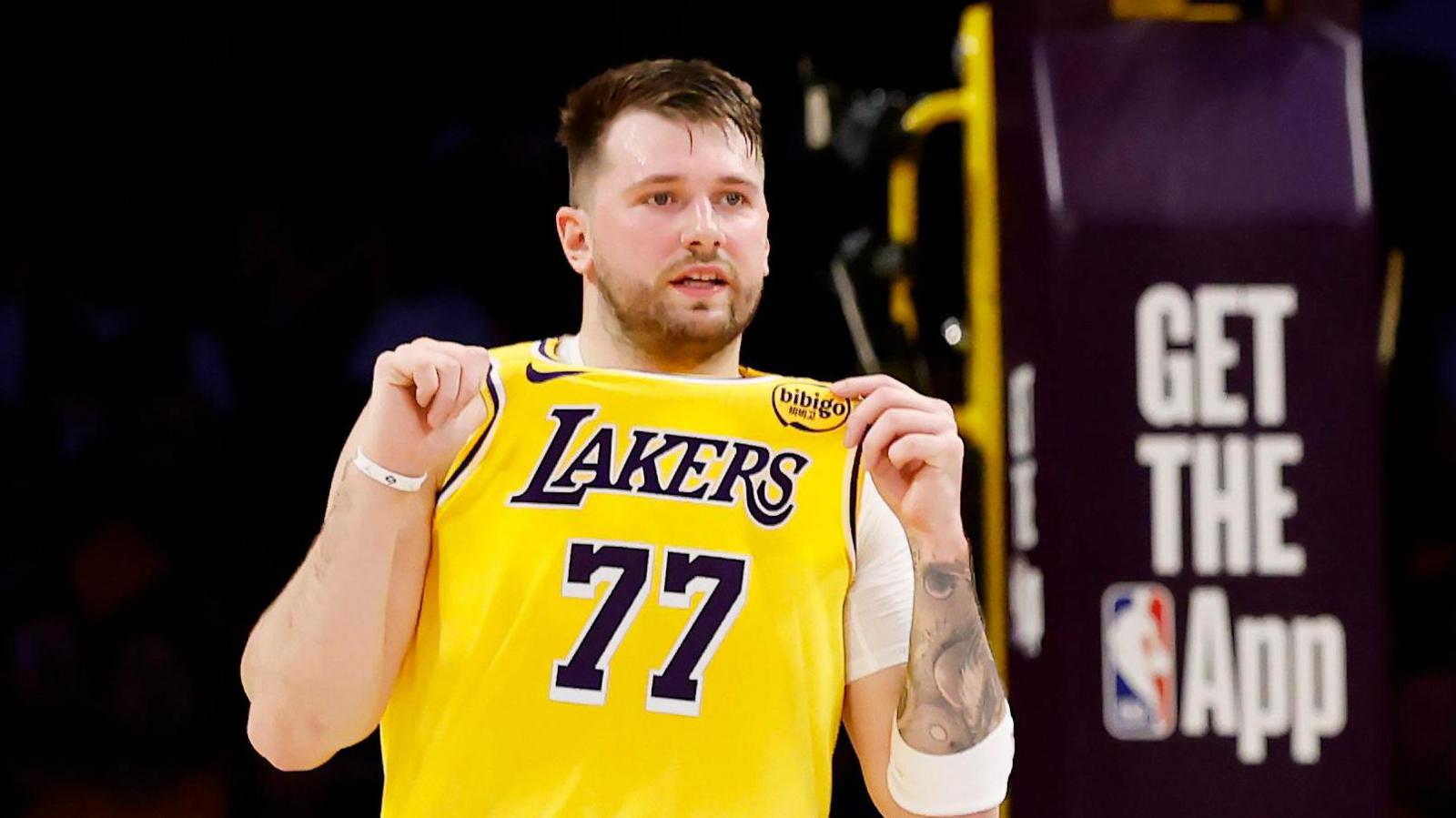
Lakers Anchor Future With Doncic Extension

The Los Angeles Lakers have drawn a clear line in the sand for their future fonbet download apk by signing Luka Dončić to a three-year, $165 million contract extension, keeping the five-time All-Star in purple and gold through at least 2028

Dončić’s arrival in Los Angeles earlier this year via a blockbuster trade — which sent Anthony Davis to Dallas — was already a seismic shift. But this extension cements the organization’s pivot from the old guard to a new era centered around the Slovenian playmaker. According to team executives, there is no intention of him hitting unrestricted free agency in 2026.

At 26 years old, Dončić enters his prime with staggering career numbers, and Lakers leadership clearly view him as their long-term anchor. His impact since arrival has been felt not only in statistical output — averaging nearly 28 points, 8 rebounds and 7 assists in his first 28 games with the club — but in the very identity of the franchise.

This move raises several compelling questions: how the Lakers will build around Dončić, how they will manage veteran star LeBron James — who has opted into his 23rd season and will share the roster with Dončić — and whether this pairing can translate into deep playoff runs.
Bears Rally Again, Williams Heroics Shine

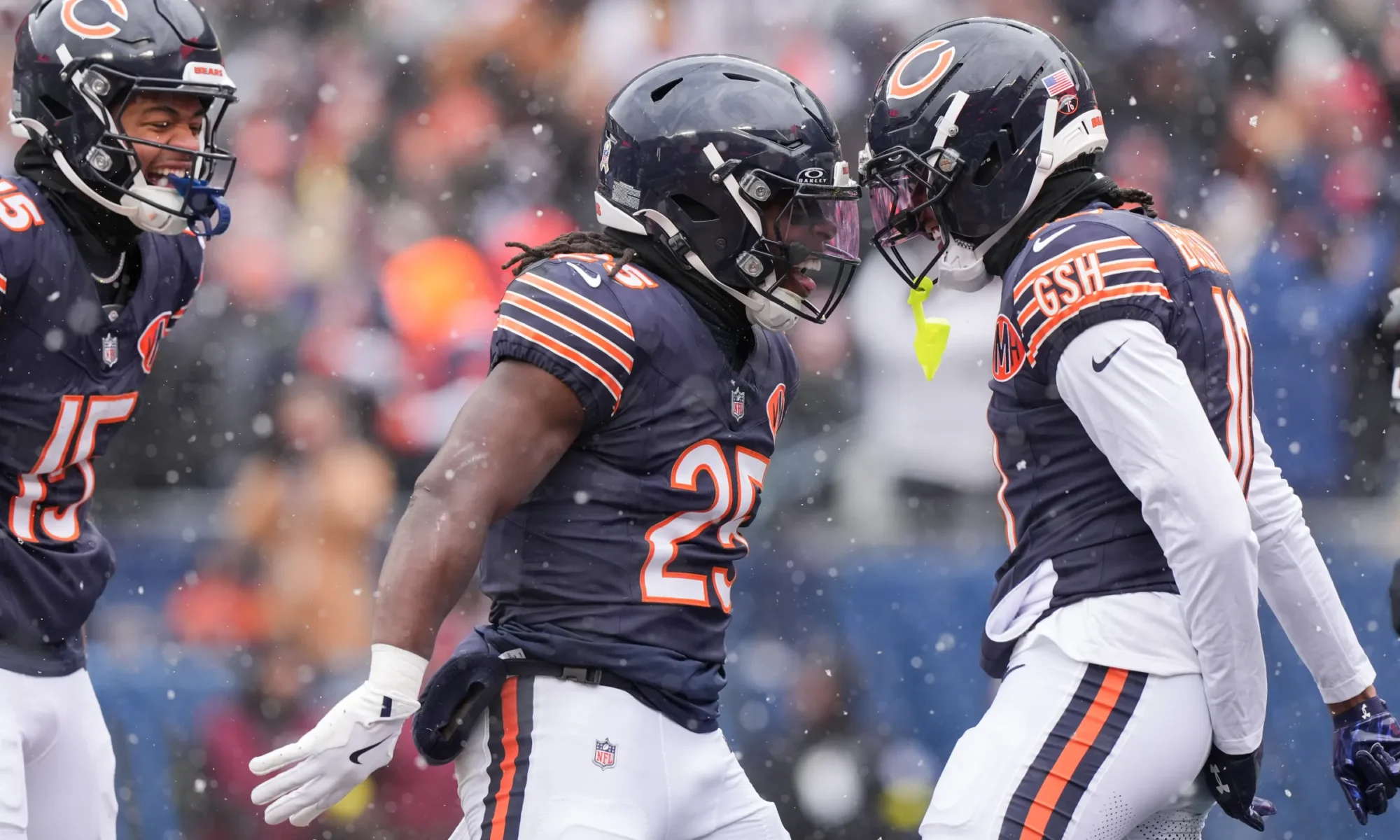
In a thrilling display of late-game resilience, the Chicago Bears pulled off yet another comeback, edging out the New York Giants 24-20 to improve their record to 6-3. A big part of the win came from rookie quarterback Caleb Williams, who scrambled for the game-winning touchdown with just under two minutes remaining — a sequence that showcased both his poise and athleticism under pressure.

Williams’ legs consistently kept plays alive when the passing game stalled, and his final move brought the roof down. Meanwhile, wide receiver Rome Odunze made his mark with 10 targets and several critical catches, showing he’s quickly adapting to the pace of the NFL. On defence, C.J. Gardner‑Johnson made decisive plays — two sacks, a forced fumble — that shifted momentum and reminded fans that the Bears’ resurgence isn’t just about offence.

Still, this victory comes with caveats. While the comeback narrative is exciting, critics point out many of these wins have been against weaker opposition — and the Giants, though hungry, are in a rebuilding phase. The Bears’ offensive inconsistencies were evident again: poor conversion rates earlier in the game, while the defence gave up a sizable lead before scrambling. The sense is rising that this team is exciting, but still unproven.

Looking ahead, the Bears face a tougher slate of opponents. For this run to mean something more than late-game theatrics, they’ll need early leads, smoother offence and sustained defensive pressure. Williams’ breakout performances are promising — but sustaining it will define whether this team is a contender or just a story. For now, Chicago has momentum, the fans are buzzing, and one thing is clear: when the lights get bright, the Bears are showing up.

Late Header Rescues United at Spurs

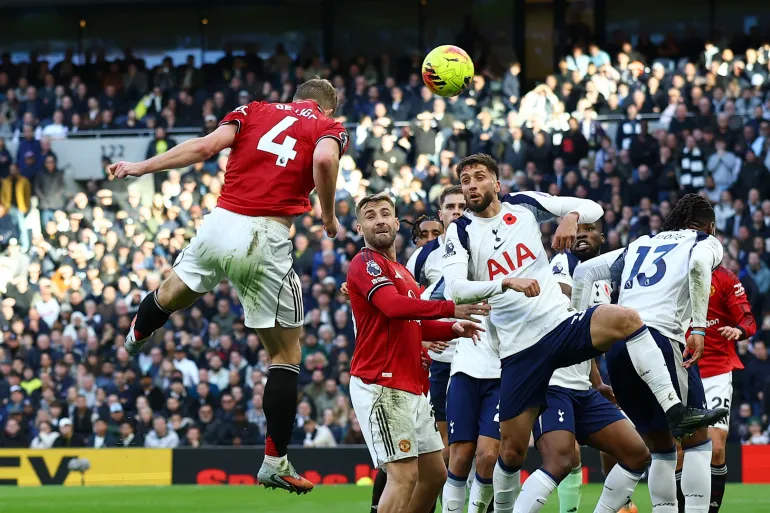
In a dramatic turn-around at the Manchester United vs Tottenham Hotspur clash on 8 November 2025, the visitors secured a thrilling 2-2 draw thanks to a 96th-minute header by Matthijs de Ligt. After falling behind to Bryan Mbeumo’s first-half goal, United looked set to walk away empty-handed when Spurs’ substitute Mathys Tel equalised in the 84th minute and then Richarlison seemed to snatch the winner moments later.
However, de Ligt’s intervention from a corner deep into stoppage time rescued a point in what turned into a roller-coaster finish.

This result extended United’s unbeaten run to five matches, but the manner of the draw still leaves plenty of questions for manager Rúben Amorim and his side. The team took the lead early through Mbeumo, yet allowed Tottenham to dominate large stretches of the second half and nearly left with nothing. United also played part of the closing minutes with ten men after a knee injury reduced their options.

As it stands, United remain in the mid-table mix rather than mounting a serious climb up the standings — the point helps, but the performance underlines lingering defensive lapses and issues in closing out games. The draw may feel like a win thanks to timing, but it also signals that opposition teams continue to believe they can compete. For Tottenham, it was yet another home game where dominance didn’t translate into three points, and their inconsistent home form is becoming a real talking point.

Looking ahead, United will aim to build on this momentum but will need more controlled performances rather than relying on hyper-dramatic finishes. If they can tighten up and convert leads into wins, they might begin a push; if not, results like this may become missed opportunities.

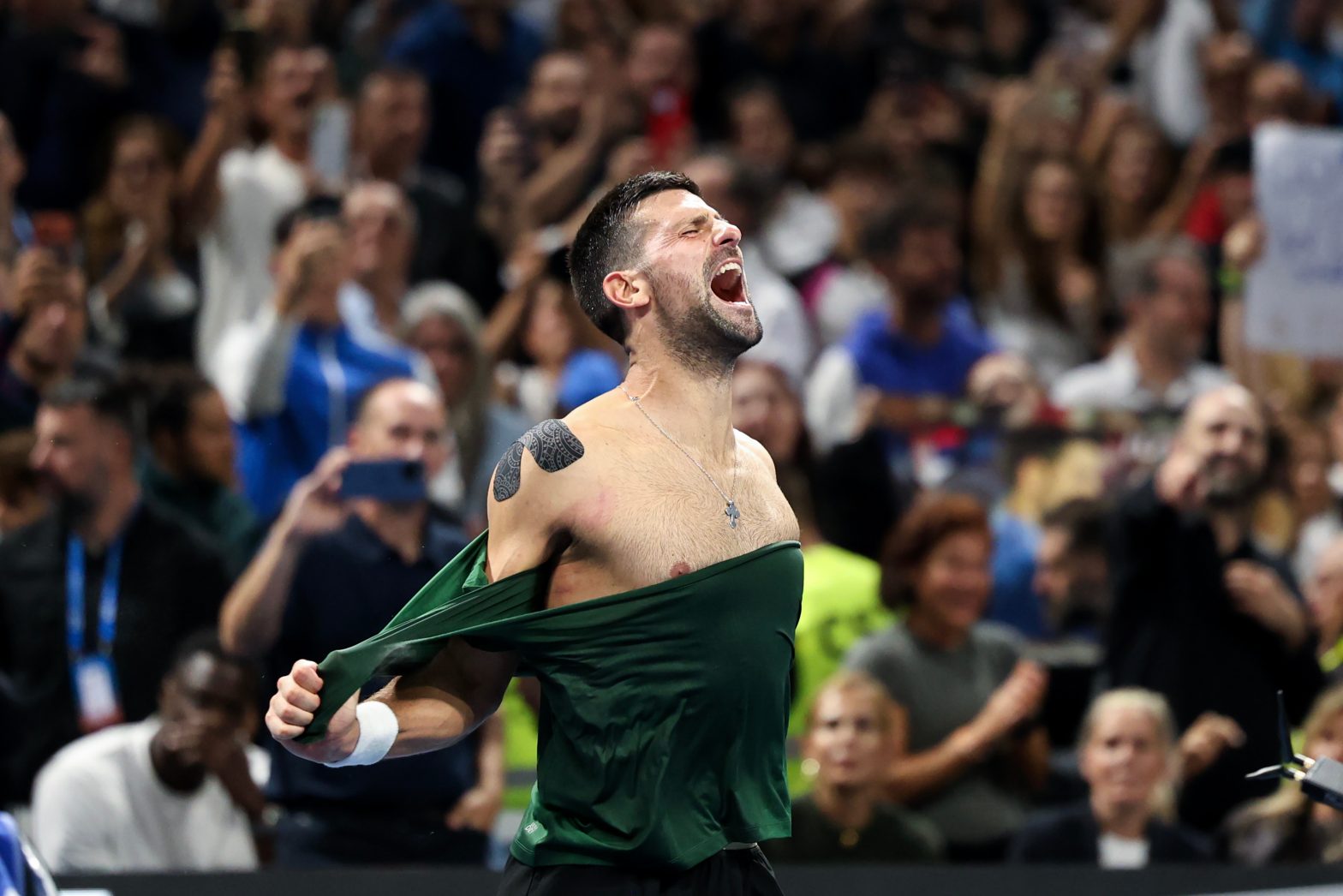
Djokovic Clinches 101st Title, Then Withdraws from Finals

In a dramatic turn of events late in the 2025 tennis season, Novak Djokovic captured his 101st career ATP Tour title at the newly-launched Hellenic Championship in Athens, defeating Lorenzo Musetti 4–6, 6–3, 7–5 in a razor-thin final that lasted three grueling hours.

What made the moment even more poignant: just days later Djokovic announced his withdrawal from the season-ending ATP Finals in Turin, citing a persistent shoulder injury that would prevent him from competing against the world’s top eight for the title.

The Athens win was significant for multiple reasons. At 38 years old, Djokovic not only notched a milestone 101st trophy, but set a new record for the most hard-court titles in the Open Era (72) in the process. Despite failing to reach a Grand Slam final this year — breaking a long streak of such appearances — he maintained elite status by reaching the semis of all four majors and finishing the season strongly.

However, the withdrawal from Turin raises questions about his longevity and strategy going forward. While he remains determined — stating he has no intention of retiring soon, citing inspirations like LeBron James and Cristiano Ronaldo for their extended careers.

For fans and analysts alike, the key narrative is clear: Djokovic is still a force, but the physical demands of the tour are catching up. The Athens victory underscores that he can still raise his game when needed. Yet his absence in Turin leaves a major title unclaimed and opens the door for younger players to step into the spotlight. As we look ahead to 2026, the question isn’t just whether Djokovic can reach 25 Grand Slams, but how he will manage his schedule, body and expectations in a sport that’s evolving rapidly around him.

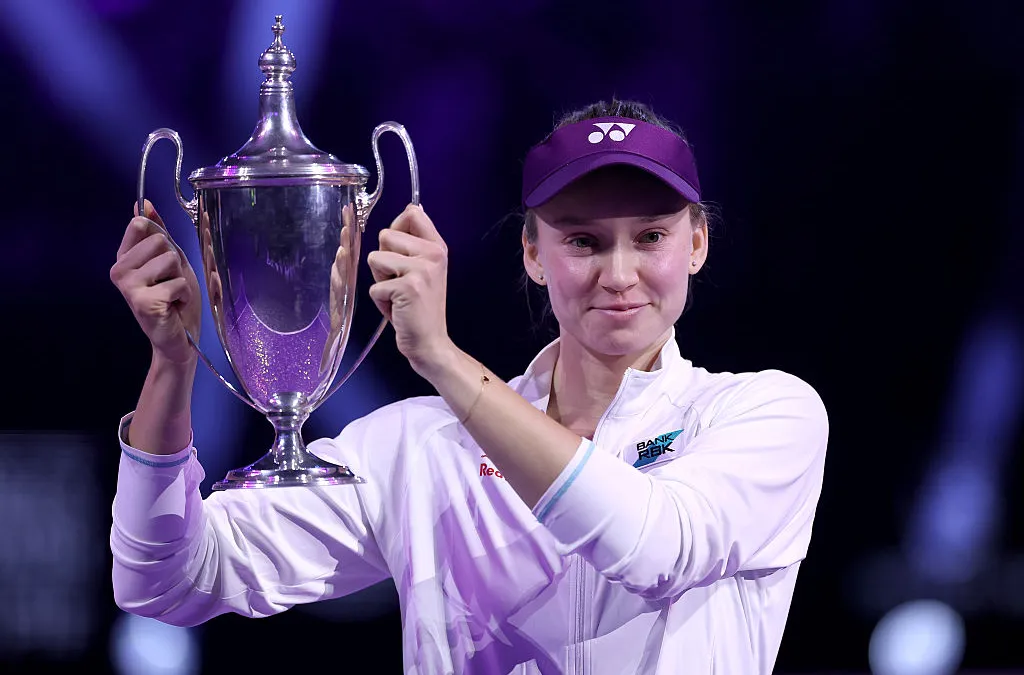
Rybakina Breaks New Ground at WTA Finals

In a landmark moment for tennis and for Kazakhstan, 26-year-old Elena Rybakina secured her place in the record books by winning the 2025 WTA Finals in Riyadh. She overcame world No. 1 Aryna Sabalenka in straight sets, 6-3, 7-6, to claim the prestigious singles title and become the first player representing Kazakhstan to do so.

This victory arrives at a critical juncture: the WTA has emphasised that the Finals’ future may remain in Saudi Arabia, signalling a shift in the sport’s global footprint. For Rybakina, who has already won a major Grand Slam, this win underlines both her consistency and her readiness to claim leadership status in women’s tennis.
Her path to the title was not easy — Sabalenka, a dominant force throughout the season, pushed her to a tiebreak in the second set. But Rybakina’s composure under pressure and strategic execution allowed her to close the match without wavering. With this title she doesn’t just earn prestige, but also signals a new power dimension emerging in the game.
Looking ahead, this win has ripple-effects: it will affect seedings, confidence among her peers, and potentially how sponsors and tournaments view the Central Asian tennis market. Tennis fans and analysts alike will be watching how Rybakina uses this victory as a springboard for the 2026 season.
For now, the spotlight belongs to her — and to the expanding global landscape of elite women’s tennis.

Employment contracts and transfers: How sports law works in German soccer

In German soccer, employment relationships between players and clubs are governed by a complex network of general employment law and sport-specific regulations. The basis of the relationship is the employment contract, which in the case of professional footballers has a number of special features compared to normal employment contracts. The duration of the contract is a key element – standard contracts have a fixed term, usually between one and five years, with early termination only possible under certain conditions. Footballers’ salaries can include a fixed portion, performance bonuses and additional payments; all of these elements should be clearly defined in the contract. Given the high risk of injury in professional sport, particular attention is paid to medical guarantees and insurance cover.

The transfer system in German soccer is subject to the general rules of international soccer organizations, with some national peculiarities. Transfer payments between clubs are taxed and must comply with the financial regulations of the respective league. If a player is under the age of 23, a training allowance can be levied, the amount of which is calculated according to a special formula. So-called “free agents” – players whose contracts have expired and who can move to a new club without a transfer fee – have a special legal status. However, even in this case there are often disputes over signing bonuses and other additional payments.

Clubs are bound by strict financial rules for contracts and transfers, including salary caps and financial transparency requirements. Breaches of these rules can lead to sanctions from soccer associations, including fines, a ban on signing new players or even the loss of points in the table. In the event of disputes between players and clubs, the parties can turn to special arbitration boards within the soccer associations, whose decisions are binding. There is also the option of appealing to the civil courts, although this rarely happens in practice.

A special category are young players, whose contracts are subject to additional restrictions and protective measures. Special transfer rules apply to underage players in order to protect their interests and prevent premature transfers to foreign clubs. All employment contracts with young players must include guarantees for their training and social adjustment. The employment and transfer system in German soccer is constantly evolving in response to changes in international sports law and the economic challenges of modern soccer. This system seeks to balance the interests of clubs, players and the soccer community as a whole, while maintaining the competitiveness and financial stability of German soccer.

Finances and taxes in sport

The sports sector in Germany is governed by a complex network of tax and financial regulations that are relevant for professional athletes as well as for clubs, associations and commercial sports organizations. The special features of taxation in sport arise from the specific nature of sporting activities, which often fluctuate between commercial, freelance and non-profit structures. Professional athletes are generally subject to the Income Tax Act, according to which their income from salaries, bonuses and sponsorship contracts is taxable as employed or self-employed activities. The distinction between employment and self-employment is of crucial importance for taxation. Non-profit status plays an important role for associations, as they can be exempt from corporation tax under certain conditions. The prerequisite for this is that the association exclusively and directly pursues charitable, benevolent or ecclesiastical purposes and that economic interests do not come to the fore. The distinction between charitable and commercial activities is particularly difficult in the sports sector, as many clubs have both amateur and professional divisions. Commercial sports organizations, such as corporations, are subject to the usual income tax and trade tax regulations. Another important aspect is VAT, which applies to sporting activities and services, although some services provided by non-profit organizations may be exempt from VAT. Special tax rules also apply to sponsorship and advertising contracts, and the division of income into taxable and non-taxable areas must be carefully considered. In the case of internationally active athletes and clubs, questions of double taxation and withholding tax also arise, which are regulated in the relevant agreements. The taxation of transfer payments in professional sport, particularly in soccer, is another complex issue in which the distinction between transfer commissions and taxable income plays an important role. The remuneration of player consultants is also subject to special tax requirements and must be correctly declared as self-employed or commercial income. In addition to the tax law aspects, the financial regulations in sport, in particular the licensing and fair play regulations in the professional leagues, are of great importance. Financial evidence and compliance with budgetary regulations are key elements of sports regulation. Overall, it is clear that tax and financial law in the sports sector has many features that require a precise knowledge of the legal framework. The constant development of case law and legislation makes this area of sports law dynamic and complex.

The German Anti-Doping Act: regulations and consequences for sport.

The German Anti-Doping Act forms the legal basis for the fight against doping in sport. It supplements the international rules of the World Anti-Doping Code and provides a national framework for prevention, control and sanctions. The law applies to all athletes, coaches, trainers and other persons involved in organized sport. At the heart of the implementation of the anti-doping regulations is the National Anti-Doping Agency, which is responsible for testing, education and the implementation of procedures. The legal framework is contained in the Federal Anti-Doping Act and in the statutes of the sports associations. Important components of the legislation are the prohibition of certain substances and methods, the athletes’ reporting obligations and the rules for out-of-competition testing. The list of prohibited substances is updated annually and is based on the recommendations of the World Anti-Doping Agency. Violations of the anti-doping regulations can have consequences under both criminal and sports law. At a sporting level, the rules provide for sanctions such as suspension from competition, return of titles and prize money. Criminal law focuses on the acquisition of doping substances and the manipulation of doping tests. The law also provides special protection for whistleblowers who report anti-doping rule violations. Another important aspect is prevention work, which includes information campaigns and education programs. Sports organizations are obliged to inform their members about the risks and consequences of doping. Special rules apply to young athletes who require special protection due to their age. Cooperation between authorities and sports organizations is a central component of German anti-doping policy. However, critics point to problems in implementation, particularly in the harmonization of rules between different sports and associations. The development of new doping methods requires constant adaptation of control procedures and the legal framework. Overall, the German Anti-Doping Act takes a clear stance against unfair methods in sport and creates the conditions for clean competitions. However, the effectiveness of the measures depends on consistent application and international cooperation. The discussion about further improving the system, for example in the area of prevention or sanctions, remains an important sports policy issue.

The protection of athletes’ rights

The protection of athletes’ rights in Germany is a complex issue that encompasses various legal areas. Athletes enjoy comprehensive legal protection in Germany, which is made up of general laws and special sports regulations. This protection applies to professional athletes as well as amateurs and junior athletes. In terms of employment law, professional athletes have a regular employment relationship with their clubs or associations. They are entitled to written contracts that clearly regulate salary, duration and performance obligations. Protection against dismissal applies after six months of employment, although special transfer regulations also apply in professional soccer. Another important aspect is protection against discrimination and bullying. Athletes are protected against discrimination by the General Equal Treatment Act, and clubs must take measures against harassment. Particular attention is paid to gender equality in terms of salaries and promotion. Medical care for athletes is also regulated by law. Professional athletes are covered by health insurance and statutory accident insurance. Long-term damage to health can give rise to pension claims. Player consultants play an important role in contract law and are subject to certain licensing rules. Athletes have control over their name and image rights and can decide on commercial use themselves. Disputes are often settled before special sports courts. Youth sport requires special protection. Minors are subject to the Youth Employment Protection Act, and clubs must ensure a balance between sport and education. Preventive measures against abuse are established. In summary, Germany offers athletes a solid legal framework, but challenges remain in areas such as anti-doping, fair pay and career transitions. Clear contracts and strong associations are crucial for effective legal protection. These comments are for general information purposes and are not intended to replace individual legal advice.